Source Oral Irrigator for Home Care, Dental Clinics, and Travel
Compare 30 oral irrigator options from verified suppliers. These devices feature ceramic and PVC materials, CE and UL certifications, and are suitable for home use, dental departments, and deep cleaning needs with battery or AC power; compare the available evidence and request quotations based on your requirements.
Key considerations
Products List


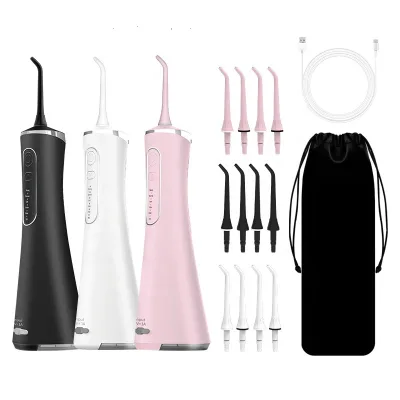
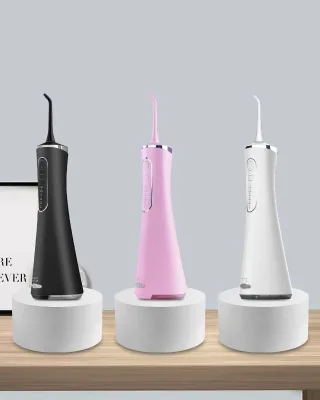
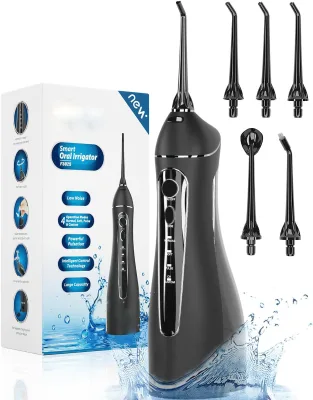


Comprehensive Sourcing Guide
Oral Irrigator Sourcing Guide
Product Scope and Observed Listing Signals
The current market landscape for oral irrigators reveals a diverse array of product configurations, ranging from basic manual forceps-style cleaners to advanced electronic units. Listings indicate a significant presence of ceramic and PVC material compositions, suggesting varied durability profiles and user experiences. Buyers should note that the observed product models include specific identifiers such as DL-Teeth Cleaner Oral Irrigator 01, DJP753, and JH2412410- #0010, which may correspond to distinct functional designs or target demographics. The presence of both disposable and non-disposable variants highlights the need for precise specification alignment, as some items are explicitly marked for single-use while others are designed for long-term home use.
Pricing signals observed in the market span a wide range, with values noted from low-cost entry points up to nearly fifty US dollars, reflecting differences in technology, material quality, and included accessories. The minimum order quantities (MOQ) vary substantially, starting from single units for sample testing up to ten thousand pieces for bulk industrial procurement. Packaging formats also differ, with options including simple paper boxes, color boxes, and bulk cartons containing three hundred pieces. These variations directly impact logistics costs and retail presentation, requiring buyers to evaluate the total landed cost rather than just the unit price when comparing suppliers.
Technical Specifications to Verify
Technical verification must begin with power source compatibility, as listings show both battery-powered and AC100-240V plug-in models. Buyers need to confirm voltage requirements and power cord lengths, such as the observed 135±10cm specification, to ensure suitability for the target market’s electrical infrastructure. The working mode is another critical technical attribute, with pulse-type operation noted as a feature for effective cleaning. Additionally, the physical dimensions and weight, such as the 1.04 ounces weight and specific carton standards like 454565cm or 2x2x6 inches, must be validated to optimize storage and shipping efficiency.
Functional features also require careful scrutiny, including battery life claims and ease-of-use designs intended for deep cleaning applications. The age group applicability, ranging from children to adults, dictates ergonomic design and pressure settings that must be verified against safety standards. Furthermore, the distinction between folded and unfolded states affects portability and storage requirements. Buyers should request detailed technical datasheets that specify flow rate, tank capacity, and nozzle compatibility to ensure the device meets the specific hygiene needs of the intended user base, whether for general home care or specialized dental preventive health care materials.
Compliance and Safety Documentation
Regulatory compliance is paramount for oral irrigators, particularly those marketed for medical or dental preventive use. Listings indicate certifications such as CE and UL, which are essential for market access in Europe and North America respectively. Buyers must verify the validity of these certificates and ensure they cover the specific product models and manufacturing facilities. The classification of the device as a medical device or a general consumer product determines the level of scrutiny required, with some items labeled under Type Usage Times: Non-Disposable, which may trigger additional regulatory requirements for reusable medical equipment.
Documentation should also include proof of conformity with relevant safety standards, such as the universal standard noted in some listings, though specific standard numbers must be confirmed. For products intended for dental departments or implantation processes, additional documentation regarding biocompatibility and sterilization compatibility may be necessary. Buyers should request test reports for electrical safety, water leakage resistance, and material toxicity to ensure the product does not pose health risks. Maintaining a complete audit trail of these documents is crucial for customs clearance and retail compliance, especially when importing from regions like China where manufacturing standards may vary.
Cost Drivers and Commercial Terms
Several factors influence the final cost of oral irrigators, including material selection, electronic component quality, and packaging complexity. Ceramic components may offer premium durability but can increase manufacturing costs, while PVC parts might be more cost-effective but less durable. The inclusion of logo printing services, whether with or without branding, adds to the unit price and affects the minimum order quantity. Buyers should negotiate clear terms regarding customization costs, tooling fees for unique designs, and any additional charges for specific packaging requirements like color boxes versus plain cartons.
Commercial terms also encompass delivery times and payment structures, with observed lead times ranging from twenty to thirty-five days. Stock availability is a significant cost driver, as in-stock items may command a premium but reduce inventory holding costs for the buyer. Warranty terms, such as the one-year warranty observed, should be clearly defined in the contract, including responsibilities for repair or replacement. Buyers must also consider currency exchange risks and shipping costs, which can significantly impact the total landed cost, especially for heavy or bulky items like those with large carton dimensions.
Supplier Qualification and Quality Control
Supplier qualification requires a thorough assessment of manufacturing capabilities and quality management systems. Buyers should verify that suppliers have experience in producing oral irrigators and can provide references from previous clients. Factory audits are essential to inspect production lines, testing equipment, and quality control processes. Suppliers should demonstrate the ability to handle both small batch customizations and large volume orders, as indicated by the wide range of MOQs observed. It is also important to assess their supply chain resilience, particularly for critical components like motors and batteries.
Quality control protocols must be clearly defined, including incoming material inspections, in-process checks, and final random inspections. Buyers should specify acceptable quality limits (AQL) for defects such as leakage, electrical faults, or cosmetic imperfections. For products with specific applications like dental implantation flushing, stricter quality controls may be necessary to ensure reliability and safety. Establishing a clear communication channel for addressing quality issues and defining remediation steps is crucial for maintaining product integrity and customer satisfaction throughout the procurement lifecycle.
Long-Term Procurement Checks
Long-term procurement success depends on continuous monitoring of product performance and supplier reliability. Buyers should establish feedback loops with end-users to identify any recurring issues or desired improvements in design and functionality. Regular reviews of warranty claims and return rates can provide valuable insights into product durability and quality consistency. Suppliers should be evaluated periodically on their ability to innovate and adapt to changing market trends, such as the growing demand for eco-friendly materials or smart features in oral care devices.
Supply chain stability is another critical aspect of long-term procurement. Buyers should assess the supplier’s financial health and operational capacity to ensure consistent delivery and support. Diversifying the supplier base can mitigate risks associated with single-source dependencies. Additionally, staying informed about regulatory changes and emerging standards in the oral irrigator market is essential for maintaining compliance and competitiveness. Building a strong partnership with suppliers based on transparency, mutual respect, and shared goals can lead to better pricing, improved quality, and enhanced innovation over time.
FAQs
What certifications do the oral irrigators have?
The oral irrigators carry CE and UL certifications for safety compliance. Some models also meet universal standards. These certifications ensure the devices meet international safety requirements for home and dental use applications.
Can I customize the logo on these devices?
Logo printing is available for some models while others come without it. Buyers can choose between customized branding or standard packaging options. This flexibility allows businesses to tailor products to their specific market needs.
What is the typical delivery time for orders?
The standard delivery time ranges from 20 to 35 days for most orders. This lead time accounts for production and shipping logistics from the origin in China. Buyers should plan their inventory accordingly to avoid delays.
Which materials are used to make these irrigators?
Manufacturers use ceramics and PVC materials for different product models. These materials ensure durability and safety for daily oral hygiene routines. The choice of material depends on the specific model and intended usage type.
What is the minimum order quantity for these products?
Minimum order quantities vary from 1 unit up to 10,000 units depending on the supplier. Some specific models require a minimum of 12 sets. Buyers can negotiate based on their volume requirements and budget constraints.
Are these oral irrigators suitable for children and adults?
Yes, the devices are designed for adults, children, and all age groups. They are unisex and suitable for home use or dental preventive care. The features ensure easy operation for users of different ages and capabilities.
How is the product packaged for shipment?
Products are packed in paper boxes, color boxes, or cartons depending on the model. Some cartons contain up to 300 pieces for bulk shipping. Packaging ensures safe transport and protects the device during delivery to the buyer.